
Match Results Organization on soju
Our soju database archives match results across all supported competitions. When a Liga 1 match concludes, we record the final score, goal scorers, yellow and red cards, and attendance within hours of official confirmation. This data populates our fixture calendar, league standings table, and head-to-head records so users can review historical context before engaging with live markets.
We do not rely on third-party feeds for sensitive data like scorelines or team statistics. Our soju team monitors official league announcements and broadcasts, verifies results, and manually entries them into our system. During Idul Fitri or Idul Adha, when holiday schedules compress fixture calendars, our staff ensures real-time result accuracy despite accelerated fixture scheduling.

League structure differs by competition. Liga 1 (Indonesia's top division) runs across 34 matchdays, typically from August to May. Piala Indonesia (cup tournament) operates on knockout rounds, so match results shrink the participant pool until a final winner emerges. Piala AFF (Southeast Asian championship) groups nations into qualifying brackets, then knockout stages. Each format generates distinct result patterns that our soju system categorizes separately.
When you log into soju, the main dashboard displays upcoming fixtures for the next two weeks, along with a results archive link. You can filter by league, team, or date range. If you funded your account via DANA, e-wallet, or mobile banking earlier that week, your balance remains available during live matches so you can access markets instantly without re-verification.
Live Scores and Real-Time Updates
During Liga 1 matchdays, Champions League nights, or Piala AFF group rounds, our soju platform displays live scores refreshed every few minutes. These updates do not constitute official confirmation—league bodies publish final results once the match ends and officials have settled all queries. However, live-score feeds let you track action in real time and adjust your engagement accordingly.
Our live-score integration operates independently from our sportsbook markets. Market settlement depends on official league confirmation, which may occur minutes or hours after the final whistle (pending video review, official goal verification, or other administrative checks). We never settle markets on live-score data alone; we wait for league publication.
Fixture Calendar and Tournament Scheduling
Our soju fixture calendar spans the full season for each league. Liga 1 typically begins in August and concludes in May the following year, with breaks for international tournaments or national holidays. Piala Indonesia runs from October through June, overlapping with Liga 1. Piala AFF follows a biennial schedule (typically every two years), while Champions League runs from August through June with group and knockout phases.
We display fixture dates in your local time zone (typically WIB — Western Indonesia Time, UTC+7). For users accessing soju from Medan or other regions, you can manually adjust time-zone settings in your account preferences. This ensures matchday notifications and fixture listings match your local clock.
-
1
View upcoming fixturesStep 1
Navigate to our fixture page from the main menu. Select a league (Liga 1, Piala AFF, Champions League) to filter fixtures by competition.
-
2
Check match detailsStep 2
Tap a fixture to see teams, match date, stadium, and available markets. Historical head-to-head records appear below current fixture info.
-
3
Review past resultsStep 3
Scroll to the results section to see completed matches from the current season. Each result shows final score, goal times, and key events.
-
4
Access league standingsStep 4
Each league has a standings table showing points, wins, draws, losses, and goal difference. Standings update automatically after results are confirmed.
Payment Access on Matchdays
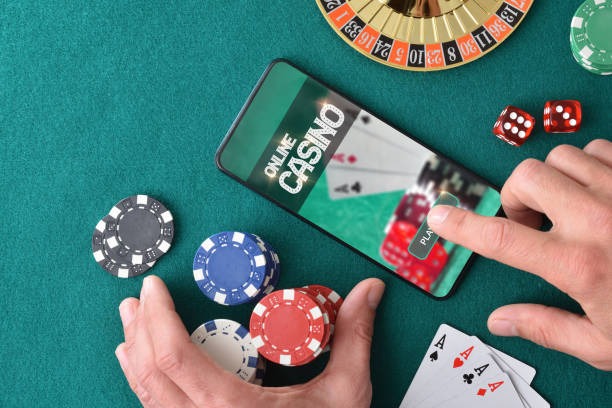
Major matchdays—especially Liga 1 Derby events in Jakarta, Surabaya, or Bandung—draw high traffic to soju. Users deposit via local payment, online payment, e-wallet, mobile banking, local payment, online payment, or bank virtual accounts (e-wallet, mobile banking, local payment, online payment) to fund in-game activity. Our payment infrastructure scales during matchdays to handle transaction volume without delays.
Deposit confirmation windows remain consistent: e-wallet methods (e-wallet, mobile banking, local payment) typically complete instantly; online payment transfers process within minutes; bank virtual accounts may take up to an hour depending on inter-bank routing. Once your deposit clears, your soju balance is available for any market—whether you engage with Liga 1 fixtures or our casino slots.
- e-wallet deposits
- Instant confirmation; balance updates immediately. No maximum limit enforced by soju—your mobile banking wallet balance is the constraint.
- local payment and online payment
- Account linking required once per wallet. Subsequent deposits skip re-authentication. Processing typically completes within minutes.
- Bank transfers (e-wallet, mobile banking, local payment, online payment)
- Virtual account numbers are generated per deposit request. Payment must match the exact amount; excess or shortfall requires manual review.
- e-wallet (unified QR)
- Scan the code with any bank app or e-wallet. Payment confirms within standard e-payment windows, typically under five minutes.
Account Verification and Result Access
All soju accounts require identity verification before accessing match results and markets. This includes a government-issued ID, proof of address, and funding-source documentation. Once verified, you retain unrestricted access to all fixture calendars, results, and league standings.
Verification status does not expire unless we flag unusual account activity. After your initial KYC approval, you can deposit, engage with fixtures, and review historical results without re-submitting documents. League results themselves are public information; verification only gates market participation, not data viewing.
Tournament-Specific Result Formats
Different tournaments generate distinct result structures. Liga 1 runs a double round-robin (each team plays every other team twice), producing standardized matchday results. Piala Indonesia uses knockout rounds, so one team's loss eliminates them entirely. Piala AFF groups nations into qualifying stages with head-to-head tiebreakers, creating context-dependent standings updates.
Our soju result database adapts to each format. When a Piala AFF group match concludes, we update both that match's score and the group-stage standings simultaneously. Knockouts show aggregate scores if multi-leg ties are involved (e.g., Piala Indonesia semifinals sometimes include first-leg and second-leg results). We document all relevant data so users understand the context of each result.